
Do Porta Potties Smell If They're Serviced On Time?
Not really. Odor builds when waste sits past the service window, and the industry standard for baseline servicing, ANSI/PSAI Z4.3, calls for one visit per week for up to 10 users across a 40 hour week. Push past that ratio at a busy Aurora construction site and the tank fills faster than the schedule assumes, so smell shows up early. That's why crews running long shifts often add a second weekly stop rather than wait for the odor to tell them. If you're planning coverage for a crew, how many porta potties do I need walks through the headcount math, and OSHA portable toilet requirements covers the ratio OSHA expects under 1926.51(c)(1): one toilet for 20 or fewer workers, then one toilet and one urinal per 40 workers as headcount climbs past that, and per 50 once you hit 200 or more. Skip a scheduled pump-out on a hot week in Aurora and you'll notice the difference by day three. Consistent service, not a fancier unit, is what keeps a standard porta potty rental smelling like nothing at all.
What Makes A Porta Potty Smell Worse?
Heat, sun exposure and overuse are the big three. A unit parked in direct August sun in Aurora will smell stronger by afternoon than one placed in shade, simply because heat speeds up the breakdown of waste inside a sealed 60 to 70 gallon tank. Overuse matters too: a unit rated for a certain headcount that gets double the traffic fills and turns faster than the service schedule expects. Placement plays a role as well. The porta potty placement guide covers where units sit best on a site, and getting that right upfront avoids a mid-project move. Wind direction matters at outdoor events, and anyone planning a wedding or festival should check event restroom rental or wedding restroom rental before finalizing layout. Winter brings its own issues; see porta potty in winter for how cold changes the picture. None of these factors are permanent flaws in the unit itself, just conditions that call for a shorter service interval or a better spot.
Do Deluxe Or Flushable Units Smell Less?
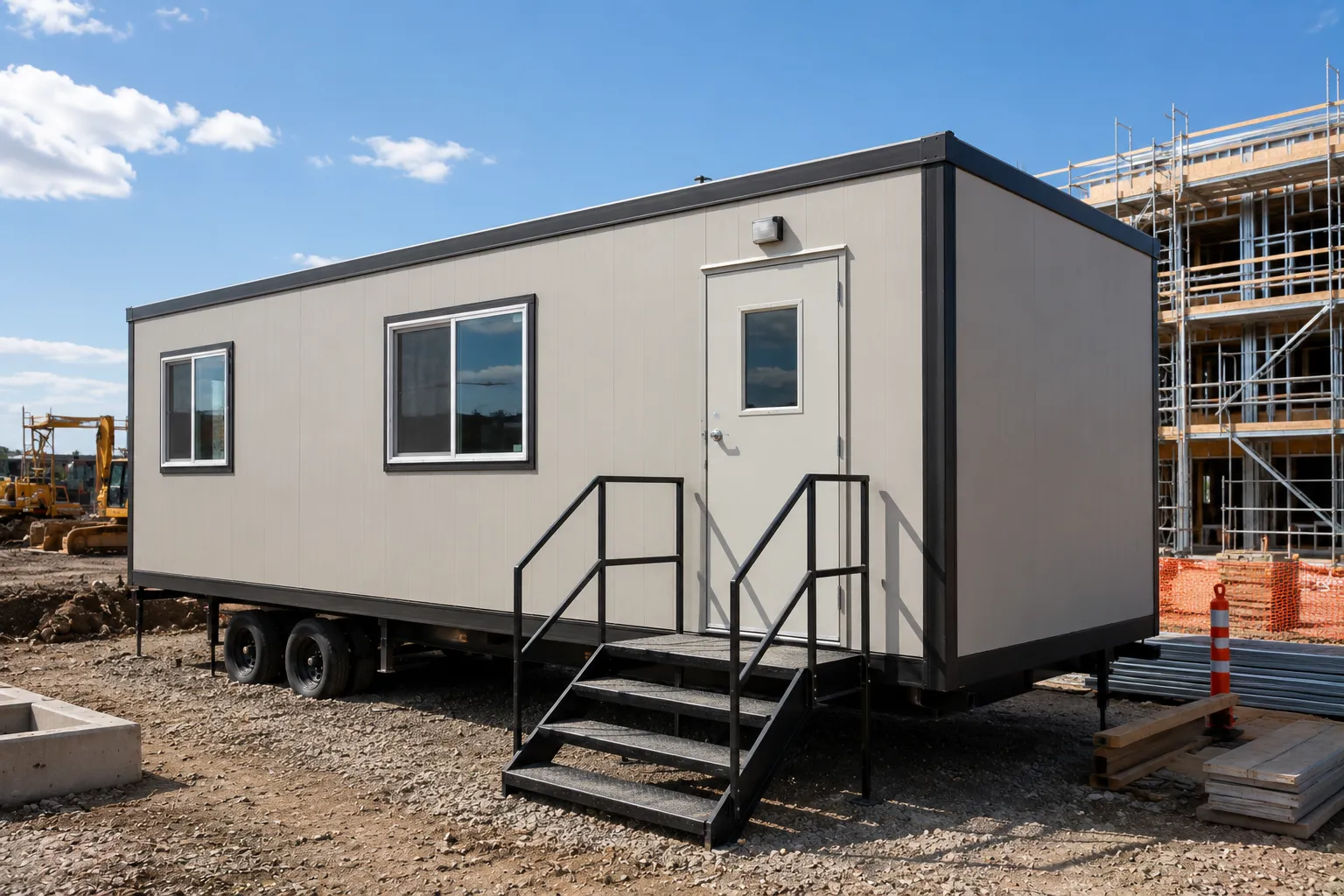
Generally, yes. A deluxe flushable porta potty uses a flush mechanism and often better ventilation, which cuts down on the odor buildup you get in a standard unit between services. These run a wider price range because features vary more than on standard units. Restroom trailers go further still. A restroom trailer rental or a step up to a luxury restroom trailer uses flush toilets, running water and separate ventilation, which is why they're the go-to for weddings and higher-end events where smell can't be part of the guest experience. For crews or families who want a step above standard without full trailer cost, the porta john rental and portable restroom rental pages break down what's available. Whichever tier you pick, hand hygiene setup matters too: 29 CFR 1910.141(d)(2) requires soap and towels or a hand-drying device at washing facilities, since hand sanitizer alone doesn't satisfy that standard. Pairing units with a handwashing station rental or portable sink rental keeps the whole setup cleaner, not just less smelly.
When Should I Upgrade To Avoid Smell Complaints?
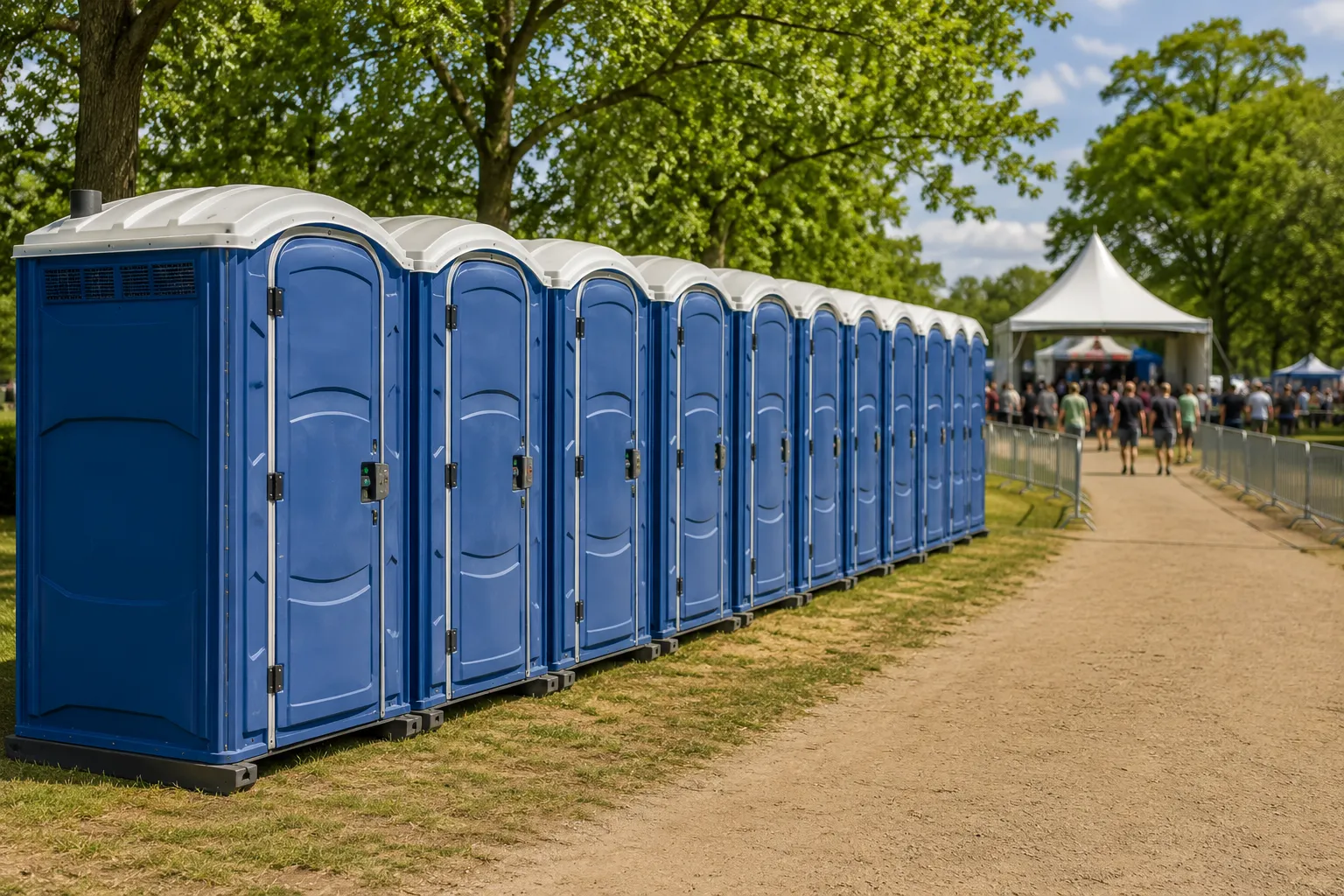
Upgrade when headcount, event length or guest expectations outpace what a standard unit handles. A single-day backyard gathering rarely needs more than a standard unit, but a multi-day festival or a wedding with 150 guests changes the math fast. Check porta potty rental cost and porta potty rental per day for what different tiers run, and if the job stretches past a week, monthly porta potty rental usually costs less per day than short-term rates. Construction sites in Aurora, especially ones running GFCI-protected power tools under OSHA 1926.404(b)(1)(ii) and generating scrap that falls under OSHA 1926.25 housekeeping rules, tend to keep standard units and just tighten the service interval instead of upgrading. Event planners lean deluxe or trailer. If your site also needs an accessible unit, ADA Standards section 213.2 requires at least 5 percent of clustered single-user units to be accessible, and never fewer than one; the ADA accessible porta potty page covers that spec.
| unit | day | week | month |
|---|---|---|---|
| standard | $100-$350 | $130-$500 | $125-$325 |
| deluxe | $85-$1200 | $150-$290 | - |
| ada | $200-$400 | $240-$400 | - |
Why does a porta potty smell worse in summer?
Heat accelerates the breakdown of waste inside the tank, and direct sun on a unit in Aurora raises internal temperature further. Shade placement and a shorter service interval both help. Weekly pumping is the ANSI/PSAI Z4.3 baseline, but hot stretches often call for twice-weekly service to stay ahead of it.
Can I do anything myself between services?
Not much beyond keeping the door closed and avoiding overuse beyond the rated headcount. Chemical deodorizers inside the tank are part of the standard service, not something a renter adds. If odor is a problem before the next scheduled visit, call First Choice Porta Potty for an extra service stop.
Does a bigger tank mean less smell?
Not directly. Tank size affects how long a unit goes between services, not the odor level at any given moment. A 60 to 70 gallon tank services weekly under normal use; heavier use just shortens that window regardless of tank size.
Are restroom trailers smell-free?
They come much closer than standard units. Flush mechanisms and separate ventilation in a restroom trailer rental cut down odor significantly compared to a holding-tank unit, which is why most weddings and higher-end events in Aurora choose trailers over standard units.
Is smell different for construction sites versus events?
Yes, mainly due to duration and traffic. Construction sites run standard units for weeks or months under OSHA 1926.51(c)(1) ratios, while events concentrate heavy use into a day or two. Check construction site services or festival restroom rental for setups matched to each.
Next step
Get a delivery date
Tell us the address, the dates and the headcount. We size the order and confirm the route.